
Our mission is to make the arts—classical, contemporary, and multi-cultural—an essential part of every young person’s education and life.

80% of What You Teach is Who You Are

February 10, 2012

Why art?

I’m an opera singer, so you can guess I believe in the formative power of art.  And over the years, I have been blessed with ample opportunity to experience both its soft nurturing and forceful buffets.  As a kid, I made art constantly, drawing, sculpting, singing and telling myself stories.  Thank goodness: I couldn’t read fluently until 4th grade, so my cognitive formation happened aurally and visually.

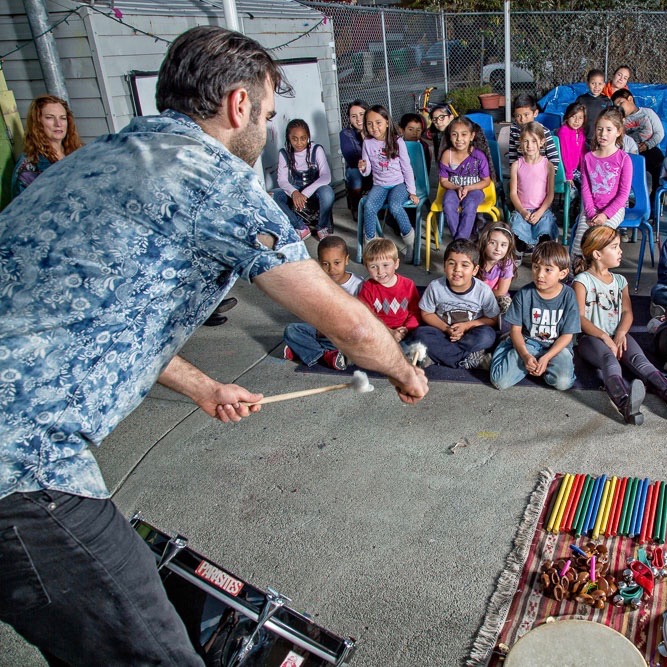
I studied music at Yale and Manhattan School of Music then had the opportunity to perform professionally for several years before moving behind the scenes. For 10 months I’ve had the wonderful job of being Outreach and Development Associate for Young Audiences of Northern California.  I now work in the office, on the back end, ensuring that teaching artists and kids are connecting in schools.  I discovered my passion for this connection while working on the front lines as a teaching artist.  Right after grad school I sang in tours of Mozart’s opera The Magic Flute and Bizet’s opera Carmen, both designed for kids, both 45 minute reductions of their 3+ hour originals.  Performing these operas for kids was one of the most gratifying experiences I have ever had.  Kids are a wonderful audience because they are so transparent–the impact our performance was having was immediately clear.  They were riveted, awed, transfixed by this art form and the stories it told.  Opera was so incredible to them, in the sense that they couldn’t believe that we were making these sounds.  I was hooked—hooked on introducing kids to virtuosic art.  But it would take some time before I fully appreciated the power of teaching artistry.

Why bring art to kids? That was very clear–I didn’t need to look any further than their amazed faces.  But why bring artists to kids? That’s a slightly different question, one that goes straight to the heart of teaching artistry.  The answer to this question would be revealed to me as I observed truly great teaching artists work, and understood just how deep and nuanced their skill is.

Why artists?

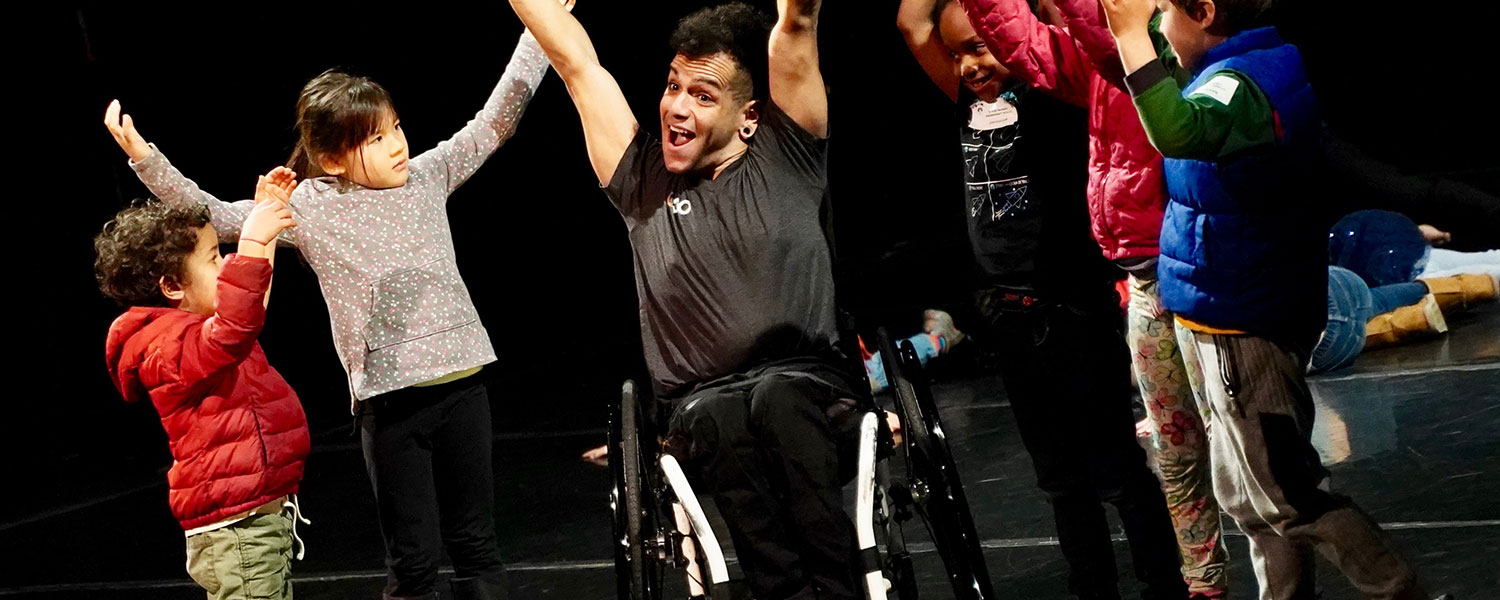
There is a piece of wisdom in education that says that 80% of what you teach is who you are.  To me, this is the answer to the question: why artists?  Great teaching artistry goes beyond performing for children.  Great teaching artists bring not just their art, but themselves, as artists, to the task of helping children learn.

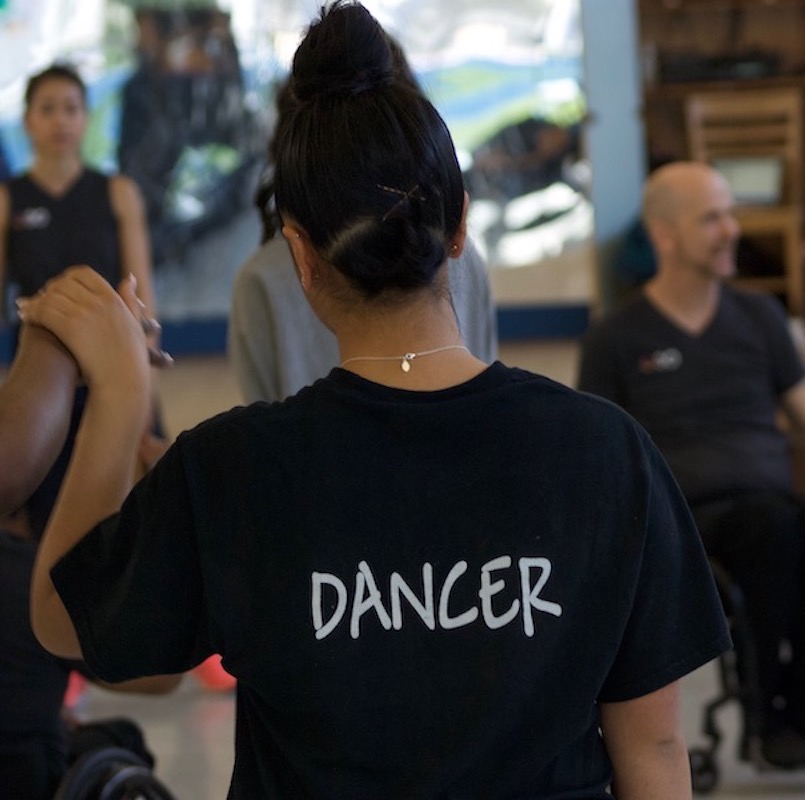
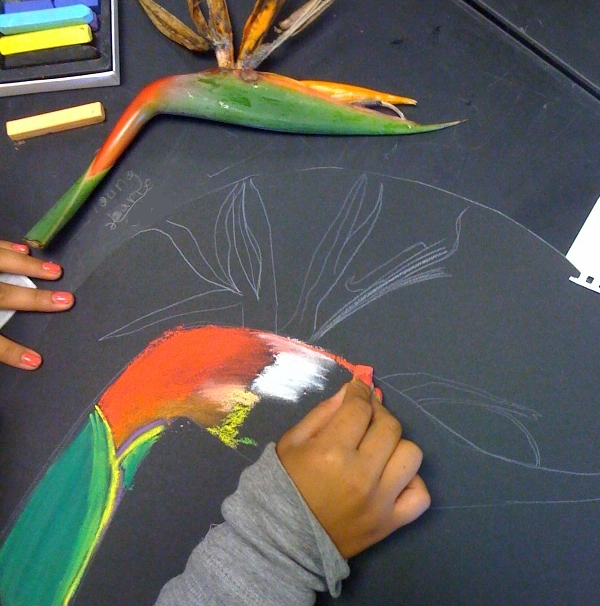
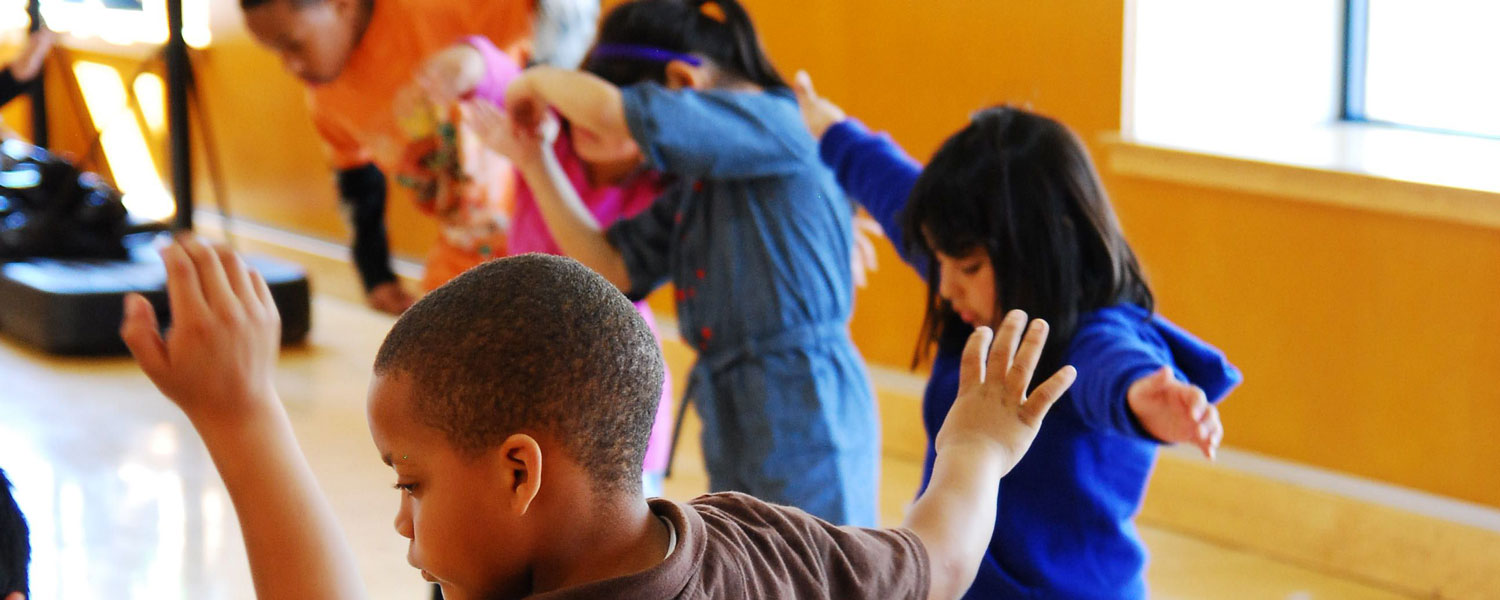
Artists, like everyone else, bring a unique point of view to the classroom.  Their lenses have been shaped by years of diligent practice, brave exploration, and relentless self-scrutiny on the road to mastery.  Great teaching artists hold a lens out in front of a child in just the right way, so that she can peer through it at the world and see it  differntly and with all its possibilities.  I’ve seen this happen when a visual artist points out that a color-wheel can be a self-portrait.  Or when a master Capoeira artist reminds a student that the magic of walking on your hands comes after the discipline of learning to balance (go ahead…try and see).  Or when a musician notices and celebrates the way a student is naturally internalizing rhythm and reflecting it in his body, without realizing he is doing so. 

The pursuit of artistic mastery yields various fruits.  The mastery itself is, of course, inspiring and impressive, but equally valuable are the “studio habits of mind” that result from the life-long pursuit.  Great teaching artists are masters at sharing not only their skill with children but also their journey to it.  

Contributed by Emily Garvie

Leave a comment

Vernon Davis: Creating Positive Innovation


January 23, 2012
 
In the last post, I wondered what would happen if, in 2012, each one of us made room in our lives to make and celebrate art.  Have you figured out what your room looks like?  Or did you dismiss the idea, after concluding art just isn’t related to your day job?
 
Consider Vernon Davis.
 
For those of you who don’t follow NFL football, Davis is the San Francisco 49ers tight end.  Last night, Davis scored both of the 49er's touchdowns. Last week, his team was trailing in the final seconds of its playoff game.  There was one chance to throw a pass and win the game.  The coach trusted Davis as the player who could catch that pass.  And, in a storybook ending, Davis caught it, and his team won.
 
Davis also happens to be an artist.  As a football player at the University of Maryland, he  literally followed a dream to take an art class.  Growing up, he had no access to arts instruction.  But given the opportunity to take that one class in college, he discovered he was a painter.  He changed his major to studio art.  He continues to paint today, on his off days from football.  He owns a design firm, and last year, he showed his paintings in a solo exhibition at a San Francisco Gallery.
 
Is Vernon Davis’s success on the field related to his painting?  I think so.  He was not an overnight success.  His professional career has been arduous, a path of steady progress forward past obstacles.  But he remained focused and positive, learned from past mistakes, and persevered to place himself in the position to catch that pass last week.  Making art involves similar commitment, perseverance, and vision.  As Davis himself explains:
 
You know what? To me everything you do in life is art. When I paint, sometimes I'll sit in front of the canvas for hours. If I'm painting a portrait, I'll spend three or four hours getting that face right, before I can step away from the canvas. Just like football. If I'm on the practice field and drop six or seven passes, I'm going to stay on the field until I get that right.  
 
We may not be professional athletes, but making art might help us all excel in other areas of our lives.  And that includes our children.  Just ask Vernon Davis, who believes that arts education should be available to schoolchildren.  In addition to his personal art practice, he has contributed proceeds of his t-shirt line to Young Audiences, funded a visual arts scholarship, and created a . 
 
Congratulations, Vernon, for all of your achievements, and thank you for making and supporting art.
 
contributed by Artsfan 
 
Leave a comment

A Room With a View in 2012

January 6, 2012

We’re a whole week into 2012, and I’m already behind on my resolution to make a resolution. The month of January gets its name from Janus, the Roman god of beginnings and transitions, who has two faces so he can see both the past and the future. This January, my lack of a resolution for 2012 may mean that I’m not done with 2011 quite yet.

While I’m there, I’d like to reflect on an column I read last fall that has stuck with me. It’s a hopeful description of a building in New York that was designed with the utmost care to provide comfort and safety to its residents. Its basement houses a bright and airy Head Start daycare.  Above that, six stories provide housing for 190 low-income residents, most of whom suffer some disability. And at the very top is an entire floor that serves as an art gallery that opens up to sweeping views of the Hudson River.

Against the odds, the adults who live here have found support and stability in this community.  And the children, like Artyairish, here in her home, are thriving:
 
Most of the children went through the Head Start program in the basement, which now mostly serves the surrounding community. None of the children have dropped out of school. A handful have even earned scholarships to the city’s better private schools. Of the 10 children who have graduated from high school, eight have gone on to college and one has just graduated from college. (None of the adults in the building have ever been to college.)
 
I am sure the success of this community stems from the commitment and efforts of each of its members. But I also suspect that that gallery on top, and the community’s decisions to emphasize art and beauty throughout this environment, has something to do with it. As one administrator stated: “You don’t just give a person four walls to live in. You give them something to be inspired by.” This community chose to create for itself a room with a view.
 
Instead of a resolution, I have a question: what would this year look like if each one of us chose our own room with a view? What would this room look like?
 
It’s different for everyone. But for starters, it doesn’t have to be a room. It could be an empty wall transformed into a gallery for our photographs or our children’s fingerpainting compositions, a makeshift coffee table stage for little toes to tap on, the choir that isn’t quite complete without your voice, or the box of scraps that can be assembled to make something wonderful.
 
Just make some room to make and celebrate art this year, and see what it does for your view in 2012.
 
Happy New Year!
 
contributed by Artsfan

Leave a comment

Art Versus Recess

December 15, 2011

I’ve been thinking about an op-ed I recently read, which asked readers whether, if forced to choose, they would save art or recess from the school day.

The more I think about it, the more impossible this choice becomes.  Children need art AND recess.  In this age of overscheduling and obesity, a block of unstructured time during the school day when kids can run, and play, and literally breathe, seems critical.  And what recess does for the body, art can do for the brain.  Minds engaged in art breathe, and expand. 

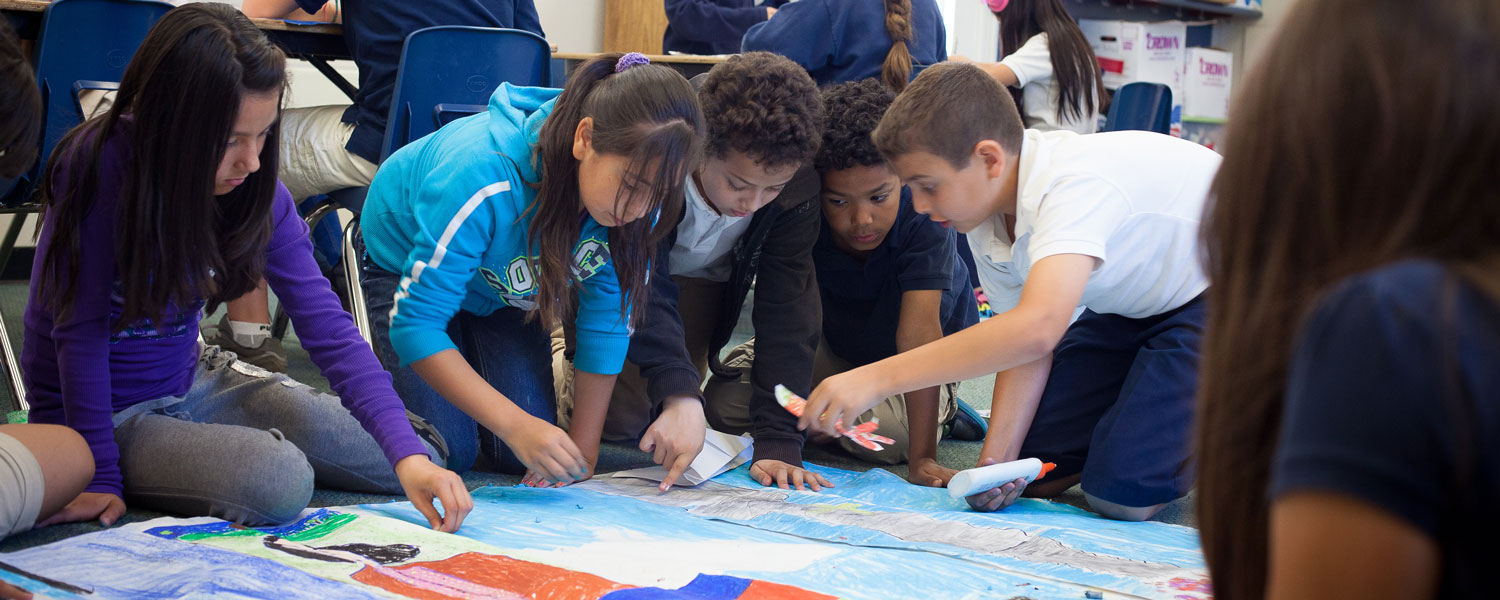
Given time constraints of the current school day, one solution to the art versus recess dilemma is to integrate art instruction into the classroom.  Arts training naturally complements classroom learning.  But to realize its potential, we may need to reassess our 20th century views on arts instruction and rethink traditional time and space requirements.  This may seem like a daunting challenge, but professional artists are skilled allies who can help classrooms get creative with arts instruction.  What if “art class” happened every day, as a collaboration between a classroom teacher and a teaching artist?   Science class might involve sculpting a prehistoric fossil in clay.  Math understanding could be strengthened through learning to read written music.  And language arts or history students could report their understanding of another culture’s value system by performing a folk tale in front of an audience of classmates.           

Arts integration may sound unconventional, but it is currently being tested in schools across the country.  The results are promising—students in Ohio, Oregon, Virginia and Georgia are making significant improvements in their reading skills through participation in a program that targets arts learning directly at literacy.  In fact 77% of below grade level 3rd graders improved their reading through the program last year in Oregon.

Besides its positive impact on performance in traditional subjects, integrating arts instruction into the classroom is one way to free up recess time and space for recess. Do you believe that kids need both art and recess?     

Contributed by Artsfan

Leave a comment